


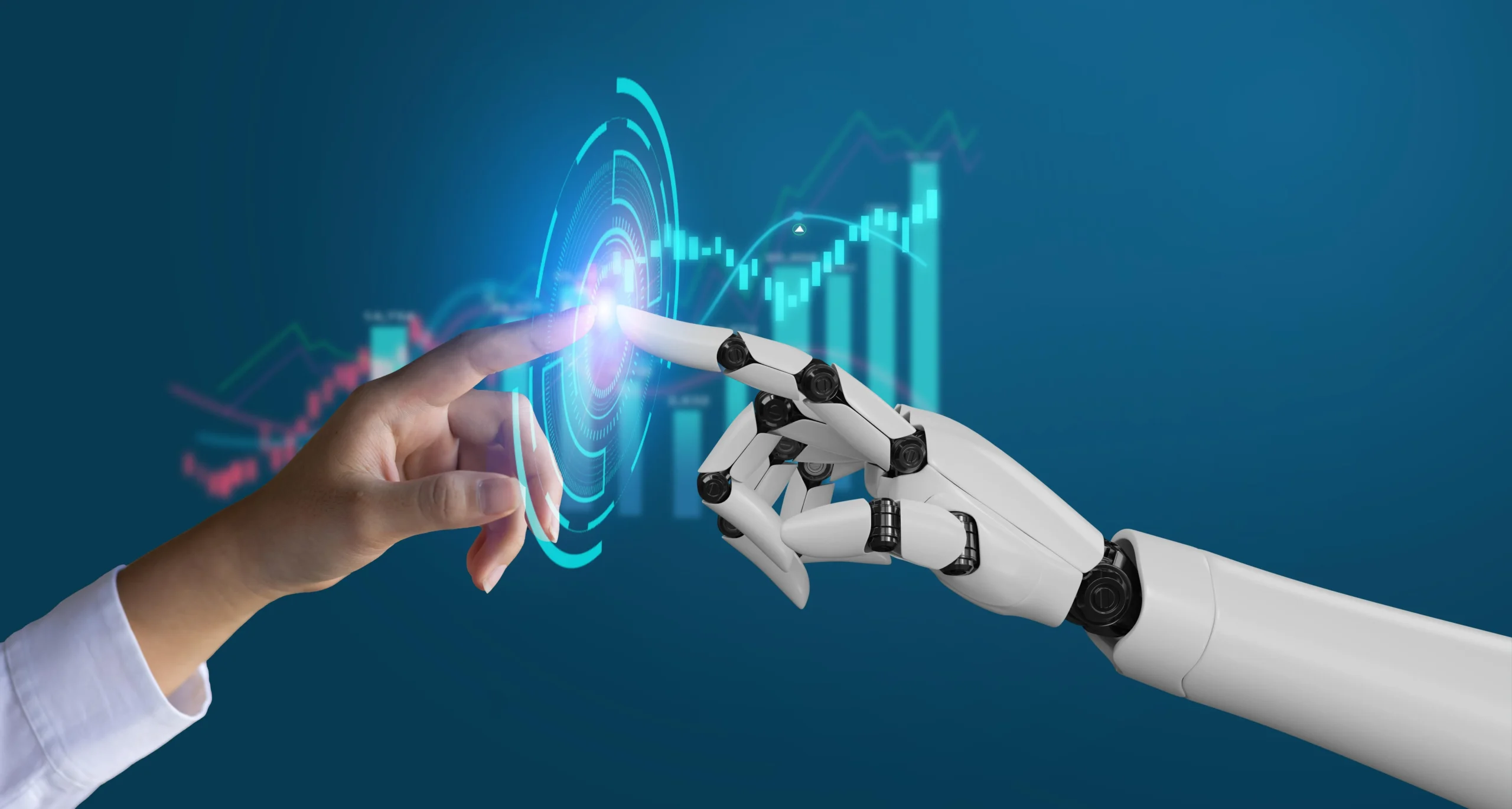
Technology has woven itself into the fabric of our daily existence in ways that seemed impossible just decades ago. The transformative power of technology in everyday life extends far beyond smartphones and social media, fundamentally reshaping how we communicate, work, learn, and even maintain our health.
From the moment we wake up, with smart alarms that monitor our sleep cycles, to the instant we check our fitness trackers before bed, technology has become an invisible yet indispensable companion. This comprehensive exploration reveals how these digital innovations are not merely conveniences but catalysts for profound societal change, enhancing productivity, connectivity, and quality of life across every demographic and geography.
Understanding the Transformative Power of Technology in Everyday Life
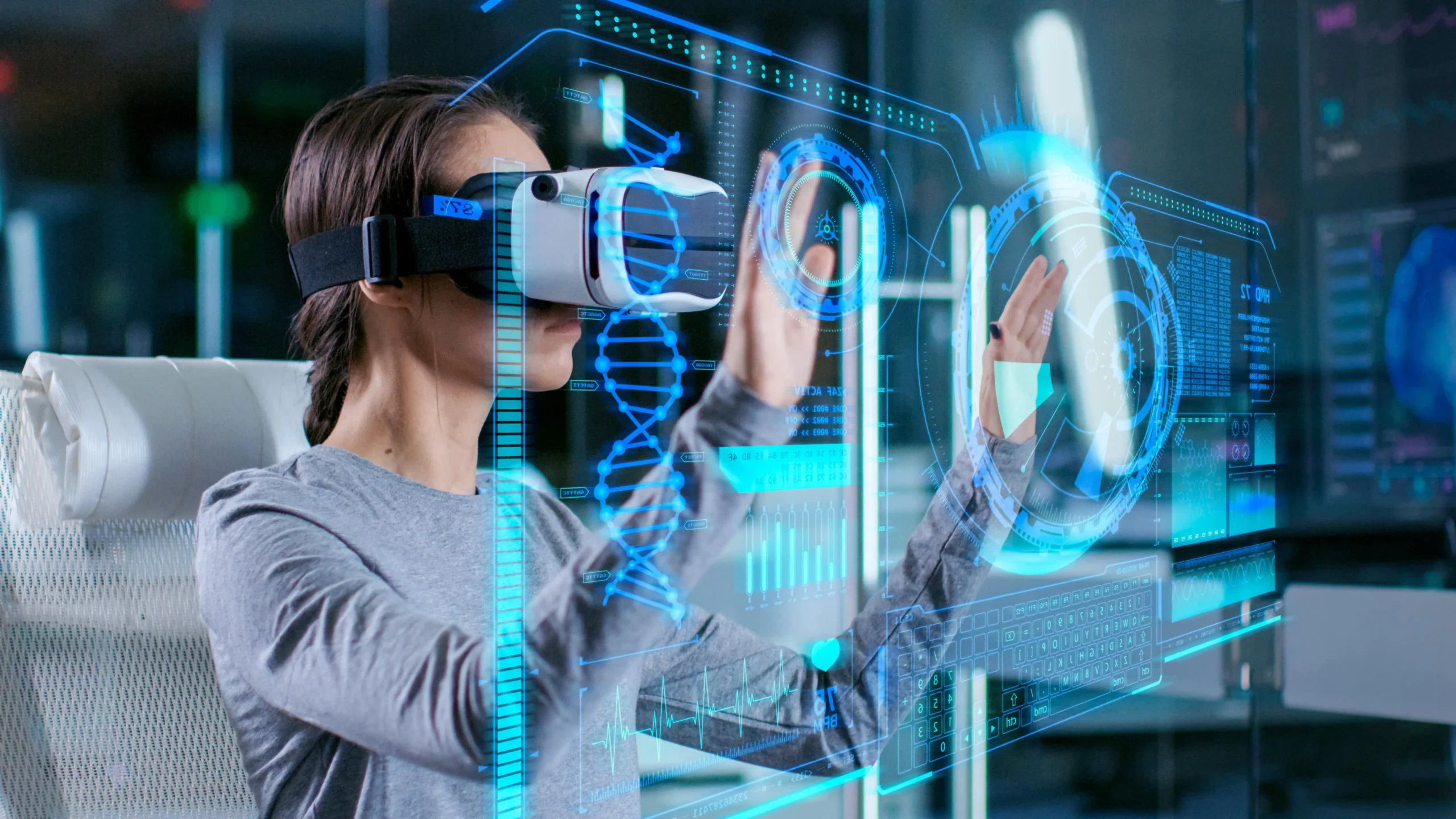
The phrase “transformative power of technology” captures something profound about our modern era. Technology doesn’t simply add features to our lives; it fundamentally restructures how we approach basic human activities. Consider communication, once limited by distance and time. Today, video calls connect families across continents in real-time, while instant messaging keeps us perpetually connected to our social circles. This transformation extends beyond personal relationships into professional domains where remote work has become the norm rather than the exception.
The scope of this transformation is staggering. Artificial intelligence now curates our entertainment, suggests our purchases, and even helps diagnose medical conditions. Machine learning algorithms predict traffic patterns to optimize our commutes, while smart home systems learn our preferences to automatically adjust lighting and temperature. These technologies don’t just serve us; they anticipate our needs, creating an ecosystem of convenience that previous generations could never have imagined.
How Technology Revolutionizes Communication and Connectivity
Communication technology represents perhaps the most visible aspect of digital transformation. Social media platforms connect over 4.9 billion people worldwide, creating networks that transcend geographical and cultural boundaries. Video conferencing tools like Zoom and Microsoft Teams became lifelines during global disruptions, enabling business continuity and keeping families connected during challenging times.
Messaging apps have evolved beyond simple text exchanges. They now support file sharing, voice notes, video messages, and even financial transactions. WhatsApp, WeChat, and Telegram process billions of messages daily, serving as primary communication channels for entire populations. These platforms have democratized information access, giving voices to communities previously unheard in mainstream media.
The emergence of 5G networks promises to accelerate this connectivity revolution further. With download speeds up to 100 times faster than 4G, 5G enables seamless streaming, instantaneous downloads, and supports the growing Internet of Things ecosystem. This enhanced connectivity paves the way for innovations like augmented reality communication and holographic calls, transforming how we experience human interaction.
Technology’s Impact on Modern Workplace Dynamics
The workplace has undergone a radical metamorphosis driven by technological advancement. Cloud computing enables teams to collaborate on documents simultaneously from anywhere in the world. Project management tools like Asana, Trello, and Monday.com bring transparency and organization to complex workflows, increasing productivity while reducing miscommunication.
Automation and artificial intelligence are reshaping job roles and creating new career paths. While some routine tasks become automated, technology simultaneously generates demand for specialists in cybersecurity, data science, and AI ethics. The gig economy, powered by platforms like Upwork and Fiverr, offers flexible work arrangements that were unimaginable before digital connectivity reached its current sophistication.
Remote work technology has fundamentally altered the employee-employer relationship. Workers now enjoy flexibility in location and schedule, while employers access global talent pools unrestricted by geography. This shift has implications for urban planning, real estate, and work-life balance, demonstrating how technological change ripples through every aspect of society.
Smart Home Technology: Living in the Future Today
Smart home devices exemplify how technology seamlessly integrates into daily routines. Voice assistants like Amazon Alexa, Google Assistant, and Apple’s Siri respond to natural language commands, controlling lighting, thermostats, security systems, and entertainment devices. These systems learn user preferences over time, creating personalized environments that adapt to individual needs.
Energy management represents a significant benefit of smart home technology. Intelligent thermostats reduce energy consumption by up to 23% through automated temperature adjustments based on occupancy patterns and weather forecasts. Smart lighting systems not only respond to voice commands but also adjust color temperature throughout the day to support natural circadian rhythms, potentially improving sleep quality and overall well-being.
Home security has been revolutionized by connected cameras, smart locks, and integrated alarm systems accessible through smartphone apps. Homeowners can monitor their property in real-time from anywhere, receive instant alerts about unusual activity, and even communicate with visitors remotely. This technology provides peace of mind while traveling and has contributed to reduced burglary rates in areas with high smart security adoption.
Healthcare Revolution Through Medical Technology
Healthcare technology demonstrates the transformative power of technology in everyday life through tangible improvements in health outcomes. Wearable fitness trackers monitor heart rate, sleep patterns, activity levels, and even blood oxygen saturation, empowering individuals to take proactive approaches to their health. These devices detect irregularities that might indicate serious conditions, prompting early medical intervention.
Telemedicine has expanded healthcare access to underserved populations in rural and remote areas. Patients can consult specialists without traveling hundreds of miles, while AI-powered diagnostic tools assist physicians in identifying conditions from medical imaging with accuracy that sometimes surpasses human experts. Mobile health apps help manage chronic conditions like diabetes by tracking blood glucose levels and medication schedules.
Biotechnology advances are personalizing medicine through genetic testing and tailored treatment plans. CRISPR gene-editing technology holds promise for treating previously incurable genetic disorders. Robotic surgery systems enable minimally invasive procedures with enhanced precision, reducing recovery times and improving surgical outcomes. These innovations collectively extend lifespans and improvethe quality of life across all age groups.
Education Transformed by Digital Learning Tools
Educational technology has democratized access to knowledge on an unprecedented scale. Online learning platforms like Coursera, edX, and Khan Academy offer courses from world-renowned universities to anyone with internet access. This accessibility breaks down traditional barriers of geography, cost, and admission requirements that previously limited educational opportunities.
Interactive learning tools engage students through gamification, virtual reality experiences, and adaptive learning algorithms that adjust difficulty based on individual progress. Digital textbooks update automatically with new information, remaining current in ways printed materials never could. Collaborative tools enable students worldwide to work together on projects, developing cross-cultural competencies essential in our globalized economy.
Artificial intelligence tutoring systems provide personalized instruction that adapts to each student’s learning pace and style. These tools identify knowledge gaps and offer targeted practice, supplementing human teachers and enabling more individualized attention. Language learning apps use speech recognition to provide pronunciation feedback, making language acquisition more accessible and effective than traditional classroom methods alone.
Financial Technology: Banking and Commerce Reimagined
Financial technology, or fintech, has revolutionized how we manage money and conduct transactions. Mobile banking apps provide 24/7 access to account information, enabling instant transfers, bill payments, and deposit checks using smartphone cameras. This convenience reduces reliance on physical bank branches and democratizes financial services for populations previously excluded from traditional banking.
Cryptocurrency and blockchain technology challenge conventional financial systems, offering decentralized alternatives for storing value and executing transactions. While still evolving, these technologies promise greater financial inclusion, reduced transaction costs, and enhanced security through cryptographic protection. Digital wallets like Apple Pay and Google Pay make contactless payments the norm, improving transaction speed and hygiene considerations.
Robo-advisors use algorithms to provide investment advice and portfolio management at a fraction of traditional financial advisor costs. These platforms make wealth management accessible to people with modest assets who might not meetthe minimum requirements for human advisory services. Personal finance apps automatically categorize expenses, track spending patterns, and offer insights to improve financial health, empowering users to make informed decisions about their money.
Entertainment and Media in the Digital Age
Streaming services have fundamentally altered entertainment consumption patterns. Netflix, Spotify, Disney+, and countless competitors offer on-demand access to vast libraries of content, eliminating the constraints of scheduled programming. Recommendation algorithms learn viewer preferences, suggesting content aligned with individual tastes and introducing users to material they might never have discovered through traditional channels.
Gaming technology has evolved into sophisticated experiences rivaling film and literature in narrative complexity. Virtual reality gaming creates immersive worlds where players physically interact with digital environments. Cloud gaming services eliminate the need for expensive hardware, streaming games directly to any device with sufficient internet connectivity. Esports has emerged as a legitimate competitive field with professional players, massive audiences, and substantial prize pools.
Social media platforms have transformed ordinary people into content creators, with influencers building careers through YouTube videos, Instagram posts, and TikTok content. This democratization of media production challenges traditional gatekeepers, though it also raises questions about information quality and the spread of misinformation. User-generated content platforms give voice to diverse perspectives previously absent from mainstream media.
Environmental Monitoring and Sustainability Technology
Technology plays a crucial role in addressing environmental challenges. Smart grid systems optimize electricity distribution, integrating renewable energy sources more efficiently than traditional power networks. Electric vehicles equipped with advanced battery technology and autonomous driving capabilities promise to reduce transportation emissions significantly over the coming decades.
Precision agriculture uses sensors, drones, and satellite imagery to optimize crop yields while minimizing water usage and chemical inputs. Farmers receive real-time data about soil conditions, pest infestations, and weather patterns, enabling informed decisions that increase productivity while reducing environmental impact. This technology is essential for feeding growing populations amid climate change challenges.
Environmental monitoring systems track air quality, water pollution, and deforestation in real-time, providing data necessary for informed policy decisions and accountability. Consumer apps help individuals reduce their carbon footprint by suggesting sustainable alternatives for transportation, shopping, and energy consumption. These technologies empower both institutions and individuals to make environmentally responsible choices.
The Future: Emerging Technologies Reshaping Tomorrow
Artificial intelligence continues advancing toward more sophisticated applications. Natural language processing enables conversations with AI that feel increasingly human-like. Computer vision allows machines to interpret visual information with remarkable accuracy, supporting applications from autonomous vehicles to medical diagnostics. Machine learning models grow more capable as they process exponentially increasing amounts of data.
Quantum computing, though still largely experimental, promises computational power that will revolutionize fields from drug discovery to climate modeling. These machines can solve certain problems in minutes that would take classical computers millennia, opening possibilities currently beyond imagination. As quantum technology matures, it will enable breakthroughs across scientific disciplines.
Augmented reality technology overlays digital information onto the physical world, creating mixed reality experiences with applications in education, healthcare, retail, and entertainment. Smart glasses and contact lenses may soon provide constant access to information, navigation, and communication without requiring handheld devices. Brain-computer interface research explores direct connections between human neurons and digital systems, potentially restoring mobility to paralyzed individuals and enabling thought-controlled devices.
Conclusion: Embracing the Digital Revolution
The transformative power of technology in everyday life represents one of the most significant shifts in human history. From how we communicate with loved ones to how we manage our health, finances, and careers, technology has become inseparable from modern existence. These innovations offer unprecedented convenience, connectivity, and capability, empowering individuals and communities in ways our ancestors could never have imagined.
As we move forward, the pace of technological change will only accelerate. Artificial intelligence, quantum computing, and biotechnology promise even more profound transformations ahead. The key to thriving in this digital age lies not in resisting change but in thoughtfully adopting technologies that align with our values and enhance our humanity.
Take action today by evaluating which technologies could genuinely improve your daily life. Explore smart home devices that increase convenience, try productivity apps that enhance work efficiency, or experiment with health tracking tools that support wellness goals. The transformative power of technology in everyday life is not a distant future concept but a present reality waiting to be embraced. Start small, stay curious, and remain open to the possibilities that technology offers for creating a better, more connected world.
