


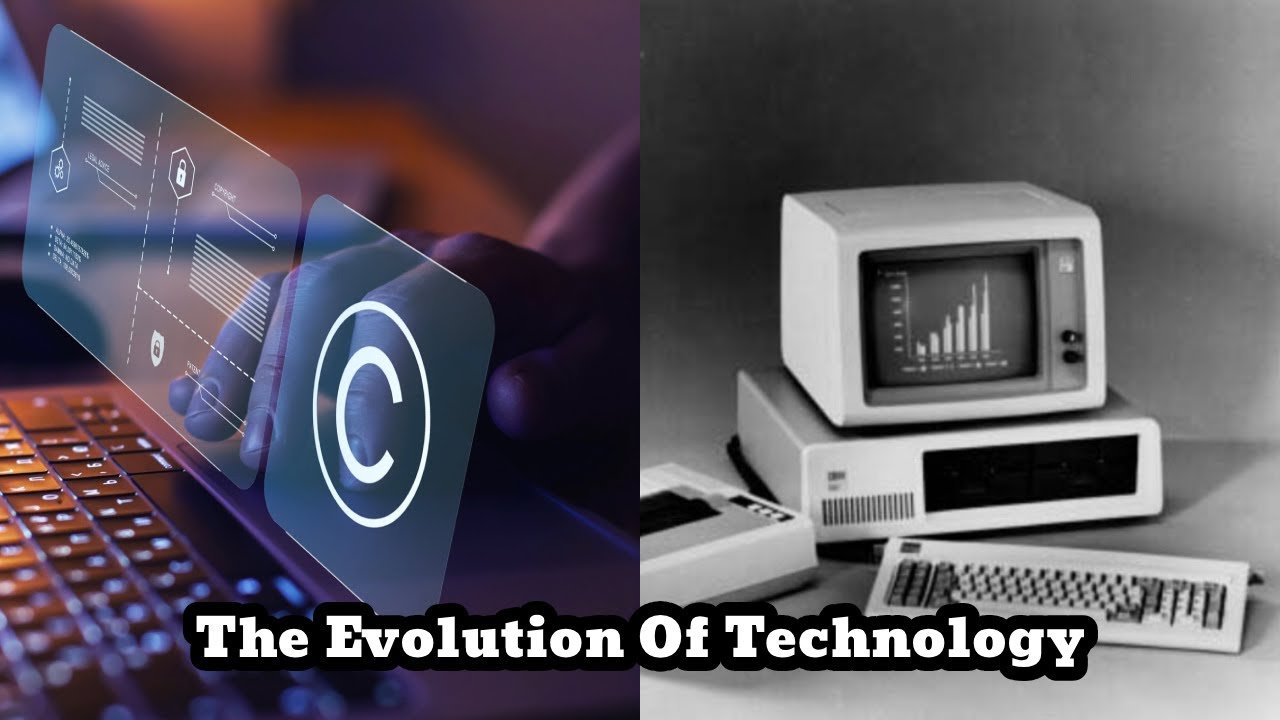
The evolution of lifestyle in the digital age has fundamentally transformed every aspect of how we live, work, communicate, and entertain ourselves. Just two decades ago, most people couldn’t have imagined conducting their entire professional lives from a smartphone, video calling relatives across continents for free, or having artificial intelligence curate their daily entertainment and shopping experiences. Today, these digital conveniences define modern existence.
The smartphone revolution, social media explosion, cloud computing advancement, and artificial intelligence integration have collectively reshaped human behavior patterns in ways both empowering and concerning. We navigate a world where digital and physical realities blur seamlessly, where instant global connectivity coexists with increasing feelings of isolation, and where unprecedented access to information paradoxically leaves many feeling overwhelmed and uncertain. Understanding this evolution helps us make conscious choices about technology’s role in our lives.
Understanding Digital Age Transformation
The digital revolution didn’t happen overnight. It emerged through waves of innovation, each building upon previous technologies while introducing entirely new possibilities and challenges.
The Smartphone Revolution
When Apple introduced the iPhone in 2007, few predicted it would become humanity’s most influential tool. Smartphones evolved from simple communication devices into powerful computers that fit in our pockets, fundamentally altering how we interact with the world.
Today’s smartphones serve as cameras, GPS navigators, entertainment centers, banking tools, health monitors, productivity hubs, and social connection platforms. This consolidation of functionality means we’re rarely more than arm’s reach from our devices, creating both convenience and dependency. The average person now checks their phone 96 times daily, according to various studies, demonstrating how thoroughly these devices have integrated into daily routines.
Social Media’s Profound Impact
Social platforms like Facebook, Instagram, Twitter, TikTok, and LinkedIn transformed how we maintain relationships, consume news, shop, and even perceive ourselves. These platforms created new forms of community while simultaneously fragmenting traditional social structures.
Social media democratized content creation, enabling anyone to build audiences and influence. However, it also introduced challenges, including information overload, comparison culture, privacy concerns, and the mental health impacts of constant connectivity. The evolution of lifestyle in the digital age cannot be discussed without acknowledging social media’s central role in reshaping human interaction patterns.
The Cloud Computing Era
Cloud technology freed us from physical storage limitations and location constraints. Documents, photos, music, and entire businesses now exist in distributed server networks accessible from anywhere with internet connectivity.
This shift enabled remote work, collaborative projects across continents, and seamless device synchronization. However, it also raised important questions about data security, privacy, and our dependence onthe technology infrastructure we don’t control.
The Evolution of Lifestyle in the Digital Age: Work and Productivity
Perhaps no area has transformed more dramatically than how we approach work and professional life.
Remote Work and Digital Nomadism
The COVID-19 pandemic accelerated a trend already underway: the shift toward remote and hybrid work arrangements. Digital tools like Zoom, Slack, Microsoft Teams, and project management platforms enable productive collaboration without physical proximity.
This transformation offers unprecedented flexibility, eliminating commutes, enabling location independence, and supporting better work-life integration for many. Digital nomads work from beaches, mountain towns, or foreign cities, earning income while exploring the world. However, remote work also blurs boundaries between professional and personal time, potentially leading to burnout and isolation.
Companies increasingly embrace distributed teams, accessing global talent pools regardless of geography. This shift fundamentally changes career trajectories, real estate patterns, and urban development as people relocate away from expensive metropolitan centers.
The Gig Economy and Freelancing
Digital platforms like Upwork, Fiverr, Uber, DoorDash, and TaskRabbit created entirely new economic models. The gig economy offers flexibility and entrepreneurial opportunities but often lacks traditional employment benefits and security.
This evolution reflects broader changes in how people view career development. Rather than single-employer loyalty, many professionals now build diverse income streams, leveraging digital tools to market skills globally and manage multiple projects simultaneously.
Productivity and Digital Tools
Countless applications promise to enhance productivity: task managers, time trackers, note-taking apps, calendar tools, and automation platforms. These tools can genuinely improve efficiency when used thoughtfully, but they can also become sources of distraction and complexity.
The key lies in selective adoption—choosing tools that genuinely serve your needs rather than collecting applications that create additional management overhead (internal link suggestion: “Essential Digital Productivity Tools for Modern Professionals”).
Social Connections in a Connected World
Paradoxically, our hyperconnected world often leaves people feeling more isolated than previous generations.
The Transformation of Relationships
Dating apps like Tinder, Bumble, and Hinge revolutionized romantic relationships, making potential partners accessible through smartphone swipes. Video calls enable long-distance relationships to maintain intimacy despite geographic separation. Social platforms help us stay updated on friends’ lives without direct interaction.
Yet these digital connections often lack the depth of face-to-face relationships. Many people maintain hundreds of online “friends” while struggling with loneliness. The challenge involves using digital tools to enhance rather than replace meaningful human connections.
Digital Communication Patterns
Communication itself has evolved dramatically. Text messaging, voice notes, emojis, GIFs, and video calls each serve different purposes in modern interaction. We’ve developed entirely new languages andetiquettes around digital communication.
Younger generations often prefer asynchronous communication—texts and messages they can respond to when convenient—over phone calls that demand immediate attention. This shift reflects changing attitudes about time, availability, and the nature of conversation itself.
Online Communities and Belonging
Digital platforms enable people to find communities based on shared interests, identities, or experiences, regardless of physical location. Niche forums, social media groups, and virtual worlds create spaces for connection that geography previously prevented.
These communities provide support, information, and belonging for people who might feel isolated in their immediate physical environments. According tothe Pew Research Center, online communities have become integral to how people experience and express identity.
Health and Wellness in the Digital Era
Technology has transformed approaches to health, fitness, and overall wellness in profound ways.
Fitness Tracking and Quantified Self
Wearable devices like Apple Watch, Fitbit, and Oura Ring track steps, heart rate, sleep quality, and countless other metrics. Apps monitor calorie intake, meditation practice, water consumption, and menstrual cycles. This “quantified self” movement empowers people with data about their bodies.
However, excessive tracking can become obsessive, creating anxiety rather than promoting health. The key involves using technology as a tool for awareness without allowing metrics to dominate well-being or self-worth.
Telemedicine and Digital Healthcare
Virtual doctor appointments, prescription delivery services, and AI-powered symptom checkers increased healthcare accessibility. Patients access specialists regardless of location, while providers see more patients efficiently.
Digital health records enable seamless information sharing between providers, improving care coordination. Yet concerns remain about privacy, the doctor-patient relationship quality in virtual settings, and equitable access for those lacking digital literacy or reliable internet.
Mental Health and Screen Time
The relationship between digital technology and mental health presents complex challenges. Social media correlation with anxiety, depression, and poor body image—especially among young people—has prompted growing concern.
Screen time recommendations, digital wellness features in devices, and mindfulness apps attempt to address these issues. Many individuals now practice “digital detoxes,” temporarily disconnecting from technology to restore mental balance and presence.
Entertainment and Media Consumption
How we entertain ourselves has undergone perhaps the most visible transformation in the digital age.
Streaming Services and On-Demand Content
Netflix, Spotify, YouTube, and countless other platforms replaced scheduled television and album purchases with instant access to vast content libraries. We control what we watch, when we watch it, and on which device.
This convenience comes with information overload—the “paradox of choice” where endless options create decision paralysis rather than satisfaction. Algorithms curate personalized recommendations, creating both discovery opportunities and “filter bubbles” that limit exposure to diverse perspectives.
Gaming and Virtual Worlds
Video games evolved from simple entertainment into complex virtual worlds where people socialize, compete, create, and even earn income. Platforms like Fortnite, Minecraft, and Roblox serve as social spaces where young people hang out as much as play.
Virtual and augmented reality technologies promise even more immersive experiences, blurring lines between physical and digital realities. The metaverse concept envisions persistent virtual worlds where people work, play, and socialize in digital environments.
Content Creation Democratization
Anyone with a smartphone can now create and distribute content globally. YouTube, TikTok, and podcast platforms enabled millions to build audiences, express creativity, and even earn substantial incomes through content creation.
This democratization challenged traditional media gatekeepers but also contributed to the spread and content quality concerns. The evolution continues as artificial intelligence tools now enable even broader creative possibilities.
Shopping and Consumer Behavior
E-commerce fundamentally altered retail and consumer behavior patterns.
The Rise of E-Commerce
Amazon, along with countless other online retailers, made shopping convenient, price-competitive, and personalized. Same-day delivery, virtual try-ons, and AI recommendations created experiences impossible in traditional retail.
Physical stores respond by emphasizing experiences that online shopping cannot replicate: immediate gratification, tactile product interaction, and social shopping experiences. Many successful retailers now employ “omnichannel” strategies integrating online and physical presences.
The Subscription Economy
Subscription models proliferated across industries: streaming services, meal kits, software, personal care products, and more. These recurring payments offer convenience while companies benefit from predictable revenue and enhanced customer relationships.
However, subscription fatigue emerges as people accumulate numerous monthly commitments, prompting more conscious evaluation of which services genuinely provide value.
Challenges and Concerns of Digital Lifestyle
While technology offers tremendous benefits, the evolution of lifestyle in the digital age presents significant challenges requiring thoughtful navigation.
Privacy and Data Security
Our digital activities generate massive data trails that companies collect, analyze, and monetize. Data breaches expose sensitive information, while surveillance concerns grow as governments and corporations gain unprecedented insight into citizens’ lives.
Balancing convenience with privacy requires awareness about data sharing, using privacy-protecting tools, and supporting regulatory frameworks that protect individual rights while enabling innovation.
Digital Divide and Inequality
Not everyone enjoys equal access to digital technologies and their benefits. Economic disparities, geographic limitations, age differences, and digital literacy gaps create significant inequalities in who can fully participate in digital lifestyle advantages.
Addressing these disparities requires investment in infrastructure, education, and inclusive design, ensuring technology serves all communities rather than exacerbating existing inequalities.
Attention Economy and Well-Being
Digital platforms compete aggressively for our attention, employing persuasive design techniques that can become manipulative. Constant notifications, infinite scroll features, and variable reward schedules exploit psychological vulnerabilities.
Reclaiming attention and agency requires conscious choices: managing notifications, setting boundaries, and regularly evaluating whether technology serves your values or undermines them.
Conclusion: Navigating Our Digital Future
The evolution of lifestyle in the digital age continues accelerating, presenting both extraordinary opportunities and significant challenges. Technology has democratized information access, enabled global connectivity, enhanced productivity, and created entirely new forms of entertainment, work, and social interaction. Yet it has also introduced complexity, privacy concerns, mental health challenges, and inequality that demand thoughtful responses.
The key to thriving amid this evolution involves conscious engagement with technology rather than passive acceptance. We must regularly evaluate whether our digital tools serve our values and goals or whether we’ve become servants to devices and platforms designed to capture our attention and data.
Future lifestyle evolution will depend onthe hoices we make individually and collectively. We can shape technology to enhance human flourishing, support environmental sustainability, and promote equity—or allow unchecked development to exacerbate existing problems. The power resides not in technology itself but in how we choose to design, regulate, and use it.
