


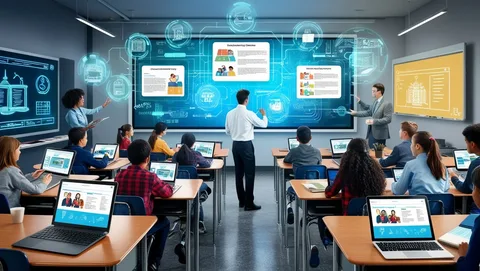
Exploring the Impact of Technology Today
Technology is no longer just a convenience—it is the foundation of modern life. Exploring the Impact of Technology Today reveals how innovation is transforming communication, healthcare, education, business, and even the way we think.
From artificial intelligence and automation to cloud computing and smart devices, technological advancements are shaping our present and redefining our future.In today’s fast-paced digital world, technology connects billions of people instantly, streamlines business operations, and opens doors to opportunities that were unimaginable just a decade ago.
Whether it’s remote work powered by cloud platforms or AI-driven healthcare solutions saving lives, technology continues to evolve rapidly. Understanding its influence helps individuals and businesses stay competitive, informed, and prepared for what lies ahead.
Exploring the Impact of Technology Today in Everyday Life
Technology influences nearly every aspect of daily living. Smartphones act as communication hubs, navigation tools, entertainment centers, and productivity devices—all in one.
Communication in the Digital Age

Social media platforms, video conferencing tools, and instant messaging apps have revolutionized communication. Families stay connected across continents, and businesses collaborate globally in real time.
Key benefits include:
-
Instant global connectivity
-
Remote work opportunities
-
Access to information within seconds
However, digital dependency also raises concerns about privacy, misinformation, and screen addiction.
Artificial Intelligence and Automation: A Major Technological Shift
Artificial Intelligence (AI) is one of the most searched and discussed topics globally. Terms like “AI in daily life,” “future of artificial intelligence,” and “AI impact on jobs” frequently appear on Google’s first page.
AI powers:
-
Voice assistants
-
Recommendation algorithms
-
Autonomous vehicles
-
Predictive healthcare systems
Automation increases efficiency in industries such as manufacturing, finance, and customer service. While it reduces repetitive tasks, it also sparks debates about job displacement and workforce transformation.
Businesses exploring the future of digital transformation must adapt quickly to remain competitive.
How Technology is Transforming Healthcare
Healthcare has experienced dramatic improvements due to technological innovation.
Telemedicine and Remote Care
Telehealth platforms allow patients to consult doctors without visiting clinics. This became especially important during global health crises.
AI in Medical Diagnosis
Machine learning algorithms detect diseases earlier and more accurately. For example, AI systems can analyze medical images faster than traditional methods.
Wearable Health Devices
Smartwatches and fitness trackers monitor heart rates, sleep patterns, and physical activity in real time.
These advancements demonstrate how exploring the impact of technology today can directly improve quality of life and extend longevity.
Education in the Digital Era
Online learning platforms, virtual classrooms, and AI tutors have transformed education.
Popular search terms related to this include:
-
“Online learning benefits”
-
“Technology in education statistics”
-
“Digital classrooms 2026”
Students now access global courses from home. Interactive simulations enhance engagement, and personalized learning tools adapt to individual progress.
Despite these benefits, challenges remain:
-
Digital divide in underserved communities
-
Reduced face-to-face interaction
-
Cybersecurity risks
Balancing innovation with accessibility is essential.
Cloud Computing and Remote Work
Cloud platforms enable secure data storage and collaboration from anywhere. Remote work has become standard in many industries.
E-commerce Growth
Online shopping platforms have expanded rapidly. Consumers expect seamless digital experiences, fast delivery, and personalized recommendations.
Blockchain and Financial Innovation
Blockchain technology improves security and transparency in financial transactions. Cryptocurrency, digital wallets, and decentralized finance are gaining popularity.
For deeper global insights into how technology shapes economies, consider referencing research from the World Economic Forum stylesphere.life.
Cybersecurity and Data Privacy Concerns
With technological growth comes increased vulnerability. Cyberattacks, phishing scams, and data breaches are major threats.
Important related keywords:
-
“Cybersecurity trends 2026”
-
“Data privacy laws”
-
“How to protect personal data online”
Individuals and organizations must prioritize:
-
Strong password practices
-
Two-factor authentication
-
Regular software updates
Exploring the impact of technology today also means understanding the risks and learning how to mitigate them.
The Social and Ethical Implications of Modern Technology
Technology affects human behavior, relationships, and mental health.
Social Media Influence
Social platforms amplify voices but can also spread misinformation.
Ethical AI Development
Ensuring AI systems remain unbiased and transparent is a growing priority.
Digital Wellbeing
Balancing screen time with offline activities supports mental health.
Governments and organizations worldwide are working to establish ethical standards and regulations to guide technological growth responsibly.
Emerging Technologies Shaping the Future
Innovation continues at a rapid pace. Some of the most promising technologies include:
-
Quantum computing
-
Augmented and virtual reality
-
5G and advanced connectivity
-
Internet of Things (IoT)
These advancements will further influence industries, urban planning, healthcare systems, and environmental sustainability.
Understanding these trends is key when exploring the impact of technology today and preparing for tomorrow.
Environmental Impact of Technology
Technology both harms and helps the environment.
Positive Environmental Contributions
-
Smart energy grids
-
Renewable energy management systems
-
Electric vehicles
Environmental Challenges
-
Electronic waste
-
Energy consumption from data centers
Sustainable innovation is critical to ensure long-term benefits.
