


Welcome to a deep dive into sustainable and healthy lifestyle practices that benefit both you and the planet. In an era where climate change and personal health crises intersect, the choices we make daily have never been more critical. Sustainable living isn’t just about reducing your carbon footprint; it’s about creating a holistic approach to wellness that honors your body, mind, and environment simultaneously. This comprehensive guide explores practical, evidence-based strategies for integrating sustainability into every aspect of your life, from the food you eat to the products you buy, and the habits you cultivate. Whether you’re just beginning your journey toward conscious living or looking to deepen your commitment, you’ll discover actionable insights that make sustainable, healthy living accessible, affordable, and genuinely transformative.
Understanding Sustainable and Healthy Living
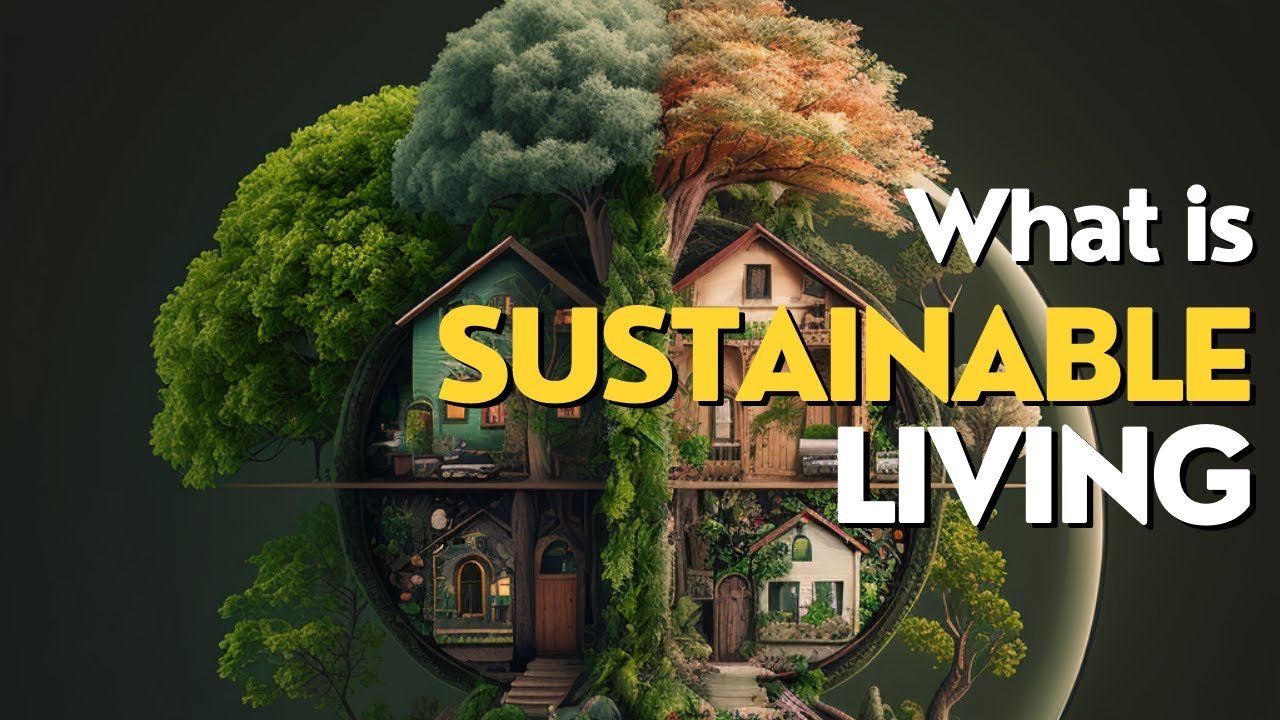
Sustainable living means making choices that minimize negative environmental impact while promoting personal well-being. It’s about recognizing that human health and planetary health are intrinsically connected. When you pollute the environment, you ultimately compromise your own health and that of future generations.
The concept extends beyond recycling and using reusable bags. It encompasses how you eat, move, consume, work, and interact with your community. True sustainability creates a regenerative cycle where your actions contribute positively to both personal vitality and environmental restoration.
The Interconnection of Personal and Planetary Health
Research increasingly demonstrates that what’s good for the environment is often excellent for your health. Plant-based diets reduce greenhouse gas emissions while lowering risks of heart disease and diabetes. Walking or cycling instead of driving decreases air pollution while increasing your physical fitness. Choosing organic products reduces pesticide exposure for both farmworkers and consumers.
This synergy makes sustainable living not a sacrifice but an opportunity to enhance your quality of life while contributing to global solutions.
A Deep Dive into Sustainable and Healthy Lifestyle Practices: Nutrition and Food Choices
Food production accounts for roughly one-quarter of global greenhouse gas emissions. Your dietary choices represent one of the most impactful areas where personal health and environmental sustainability converge.
Embracing Plant-Forward Eating
You don’t need to become fully vegan or vegetarian to make a difference. Simply reducing meat consumption, especially red meat and processed meats, significantly lowers your environmental footprint while improving health outcomes. A study published in the journal Nature suggests that adopting a flexitarian diet could reduce food-related emissions by up to 70%.
Plant-based proteins like beans, lentils, chickpeas, tofu, and tempeh provide essential nutrients without the environmental costs associated with animal agriculture. These foods are also typically more affordable, making sustainable eating accessible regardless of budget.
Choosing Local and Seasonal Produce
Buying locally grown, seasonal produce reduces transportation emissions and supports local farmers. Farmers’ markets provide fresh, nutrient-dense foods that haven’t spent days or weeks in transit. Seasonal eating also reconnects you with natural rhythms and encourages dietary diversity throughout the year.
Reducing Food Waste
Approximately one-third of all food produced globally goes to waste, contributing to greenhouse gas emissions when it decomposes in landfills. Combat this by:
- Planning meals and creating shopping lists
- Properly storing produce to extend freshness
- Using leftovers creatively
- Composting food scraps
- Freezing surplus items before they spoil
- Understanding “best by” versus “use by” dates
These practices save money while reducing environmental impact, demonstrating how sustainable choices often align with financial sense.
Sustainable Exercise and Movement Practices
Physical activity is essential for health, but how you approach fitness can either support or undermine sustainability goals.
Outdoor and Nature-Based Activities
Activities like hiking, trail running, cycling, outdoor yoga, and calisthenics require minimal equipment and no gym membership. They connect you with nature, which research shows reduces stress, improves mood, and enhances overall well-being. This connection often strengthens environmental commitment as you develop a deeper appreciation for natural spaces.
Eco-Conscious Fitness Choices
If you prefer gym workouts, look for facilities powered by renewable energy or those with sustainable practices. When purchasing fitness equipment, choose second-hand items, support companies with ethical manufacturing practices, or invest in high-quality pieces that last for decades rather than cheap items requiring frequent replacement.
Consider workout clothing made from sustainable materials like organic cotton, bamboo, or recycled polyester. Many innovative brands now create high-performance activewear from recycled ocean plastics, turning environmental problems into solutions (internal link suggestion: “Best Eco-Friendly Workout Gear for Conscious Athletes”).
Active Transportation
Incorporating movement into daily life through walking, cycling, or using public transportation serves multiple purposes. You reduce emissions, save money on fuel, increase daily physical activity, and often arrive at destinations more relaxed than when stuck in traffic.
Creating a Sustainable Home Environment
Your living space significantly impacts both health and environmental footprint. Small changes accumulate into substantial benefits over time.
Non-Toxic Cleaning and Personal Care Products
Conventional cleaning products often contain harmful chemicals that pollute indoor air and waterways. Switch to natural alternatives like vinegar, baking soda, castile soap, and essential oils. These options clean effectively while being safer for your family and the environment.
Similarly, many personal care products contain questionable ingredients and come in single-use plastic packaging. Look for brands offering refillable options, minimal packaging, or plastic-free alternatives like shampoo bars and package-free soap.
Energy Efficiency and Conservation
Reducing energy consumption lowers utility bills and environmental impact. Simple actions include:
- Switching to LED bulbs
- Unplugging devices when not in use
- Using natural light whenever possible
- Setting thermostats thoughtfully
- Weatherizing your home
- Choosing energy-efficient appliances
- Installing a programmable thermostat
If feasible, consider renewable energy sources like solar panels. Many utility companies now offer green energy programs allowing you to support renewable energy development even without installing personal systems.
Minimizing Water Usage
Water conservation protects this precious resource while reducing the energy required for water heating and treatment. Install low-flow showerheads and faucet aerators, fix leaks promptly, run full loads in dishwashers and washing machines, and consider collecting rainwater for gardening.
Sustainable Fashion and Conscious Consumption
The fashion industry ranks as one of the most polluting sectors globally. Fast fashion culture encourages overconsumption while creating enormous waste and exploiting workers.
Building a Capsule Wardrobe
A capsule wardrobe consists of versatile, high-quality pieces that mix and match easily. This approach reduces decision fatigue, saves money long-term, and minimizes environmental impact. Focus on timeless styles rather than trendy items that quickly become outdated.
When shopping, prioritize quality over quantity. One well-made garment that lasts ten years has far less environmental impact than ten cheap items worn a few times each.
Second-Hand and Ethical Options
Thrift stores, consignment shops, and online resale platforms offer excellent alternatives to buying new. Pre-loved clothing eliminates manufacturing impacts while often providing unique, affordable options.
When purchasing new items, support brands committed to ethical labor practices, sustainable materials, and transparent supply chains. Certifications like Fair Trade, GOTS (Global Organic Textile Standard), and B Corp indicate companies meeting rigorous social and environmental standards.
Mental Health and Sustainable Living
Taking a deep dive into sustainable and healthy lifestyle practices must include mental and emotional well-being. Eco-anxiety—distress related to environmental degradation—affects many conscious individuals.
Mindfulness and Present-Moment Awareness
Mindfulness practices help you appreciate what you have rather than constantly seeking more. This contentment naturally reduces consumption while improving mental health. Regular meditation, journaling, or simply spending quiet time in nature can cultivate this awareness.
Community Connection and Collective Action
Sustainability efforts feel less overwhelming when shared with others. Join community gardens, environmental groups, or sustainability-focused social circles. Collective action creates meaningful change while providing social support and reducing isolation.
Remember that individual actions matter, but systemic change requires collective effort. Advocate for environmental policies, support sustainable businesses, and vote with your wallet and ballot for a healthier future.
Balancing Perfectionism and Progress
Sustainable living is a journey, not a destination. Perfectionism creates stress and discouragement. Instead, focus on consistent progress. Every sustainable choice matters, even when you can’t do everything perfectly. Celebrate small victories and extend compassion to yourself when you fall short of ideals.
Teaching Sustainable Practices to Future Generations
Creating lasting change requires educating children about environmental stewardship and healthy living.
Leading by Example
Children absorb values through observation more than instruction. When they see you composting, choosing reusable items, eating vegetables, and spending time outdoors, these behaviors become normalized.
Making Sustainability Fun and Accessible
Involve children in gardening, cooking healthy meals, nature exploration, and creative reuse projects. Frame sustainability positively as caring for the Earth rather than deprivation or sacrifice. Help them understand their actions matter, and they can contribute to solutions.
Age-Appropriate Education
Provide information appropriate to developmental stages. Young children can learn about recycling and caring for plants. Older children can understand more complex concepts like carbon footprints and systems thinking. Teenagers can engage in activism and community projects.
Conclusion: Embrace Sustainable Living Starting Today
This deep dive into sustainable and healthy lifestyle practices reveals that conscious living isn’t about perfection or deprivation. It’s about making thoughtful choices that honor your health, values, and the planet we all share. Every sustainable decision you make creates ripples of positive change extending far beyond your immediate circumstances.
You don’t need significant financial resources ora complete lifestyle overhaul to begin. Choose one practice from this guide—perhaps reducing meat consumption, switching to reusable products, or spending more time in nature—and commit to it for the next month.
Remember that sustainable and healthy living is ultimately about creating a life of meaning, connection, and vitality. As you align your daily choices with your deepest values, you’ll likely discover that this journey brings unexpected joy, purpose, and fulfillment.
