



In our fast-paced modern world, finding equilibrium between competing demands feels increasingly elusive. A Comprehensive Guide to Embracing a Balanced Lifestyle provides practical strategies for achieving harmony across all aspects of life—work, relationships, health, personal growth, and leisure. Balance doesn’t mean equal time allocation to every area, but rather intentional attention to what matters most while maintaining your wellbeing. Many people struggle with overcommitment, burnout, neglected relationships, or chronic stress resulting from imbalanced priorities.
This guide explores evidence-based approaches to sustainable balance that honor your values, support your health, and create fulfillment rather than perpetual exhaustion. Whether you’re overwhelmed by work demands, struggling to maintain healthy habits, or simply seeking greater life satisfaction, these strategies provide a roadmap for transformation.
Understanding the Foundations of Balanced Living
Defining Balance in Modern Life
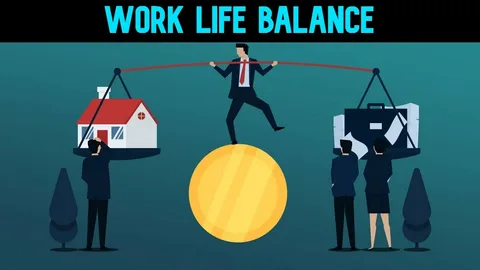
Balance means different things to different people and evolves throughout life stages. For a new parent, balance might mean getting adequate sleep and maintaining ra elationship connection amid childcare demands. For a professional pursuing career advancement, setting boundaries that protect personal time while meeting work obligations may be necessary. Understanding your personal definition of balance becomes the essential first step.
True balance isn’t achieved through rigid schedules dividing time equally among life areas. Instead, it involves a dynamic equilibrium that shifts based on current circumstances and priorities. Some weeks require a greater focus on work, while others demand more attention to family, health, or personal renewal. The key lies in conscious awareness and intentional choice rather than reactive responses to whatever screams loudest for attention.
Many people pursue balance through addition—adding meditation, exercise, hobbies, or social activities to already overfilled schedules. This approach often creates more stress rather than alleviating it. Effective balance frequently requires subtraction, eliminating commitments that don’t align with priorities or values. Learning to say no becomes as important as deciding what to say yes to.
The Dimensions of a Balanced Lifestyle
Holistic balance encompasses multiple interconnected life dimensions. Physical health includes nutrition, exercise, sleep, and preventive healthcare. Mental and emotional wellness involves stress management, emotional regulation, and psychological health. Social connection encompasses relationships with family, friends, and community. Professional fulfillment includes meaningful work and financial security. Personal growth covers learning, creativity, and purpose. Spiritual well-being relates to values, meaning, and connection to something larger than yourself.
Neglecting any dimension eventually impacts others. Chronic work stress undermines physical health. Poor sleep impairs emotional regulation. Weak social connections increase depression risk. Recognizing these interconnections helps prioritize attention to foundational areas that support overall well-being.
Assessment of your current balance reveals where attention is needed. Rate satisfaction in each life dimension on a scale of 1-10. Which areas feel most out of balance? What would improvement look like? This awareness provides direction for meaningful change rather than generic advice that may not address your specific imbalances.
Creating Work-Life Harmony
Setting Boundaries and Managing Time
Effective boundaries protect your time, energy, and well-being from constant demands. Without clear boundaries, work expands to fill all available time, relationships receive leftovers, and personal needs get perpetually postponed. Establishing and maintaining boundaries requires both clarity about limits and courage to enforce them.
Communicate boundaries clearly and consistently. Inform colleagues about your working hours and response times. Let family know when you need uninterrupted focus time. Decline commitments that don’t align with priorities. Initial boundary-setting often feels uncomfortable, particularly if you’ve previously been perpetually available. However, most people respect clearly communicated boundaries when maintained consistently.
Time management techniques enhance boundary effectiveness. Time blocking dedicates specific periods to particular activities, preventing one area from consuming time intended for others. The Pomodoro Technique uses focused 25-minute work intervals with breaks, improving concentration while preventing burnout. Calendar blocking treats personal time as non-negotiable appointments rather than a flexible space available for whatever emerges.
Technology enables both productivity and intrusion. Intentional technology use involves disabling non-essential notifications, establishing phone-free times or zones, using focus modes during deep work, and avoiding work communication during personal time. These practices prevent constant digital interruption from fragmenting attention and eroding boundaries.
Managing Energy, Not Just Time
Time management alone proves insufficient for sustainable balance—energy management matters equally. You have limited physical, mental, emotional, and spiritual energy that various activities deplete or replenish. Understanding your energy patterns and aligning high-demand activities with peak energy periods enhances effectiveness while reducing depletion.
Most people experience predictable energy fluctuations throughout days. Identify when you feel most alert and focused, then schedule demanding cognitive work during these periods. Reserve lower-energy times for routine tasks requiring less concentration. Honor your chronotype—whether naturally morning or evening oriented—rather than fighting biological rhythms.
Certain activities drain energy while others restore it. For many people, social interaction energizes, while for others it depletes, requiring solitude for recharging. Identify your personal energy sources and drains, then consciously incorporate restorative activities into routines. This might include nature walks, creative pursuits, meditation, exercise, or quality time with loved ones.
Regular breaks prevent energy depletion. The human brain isn’t designed for sustained focus beyond 90-120 minutes. Taking brief breaks between focus periods maintains cognitive performance while preventing exhaustion. These breaks might involve stretching, walking, or simply closing your eyes—the key is disengaging from demanding tasks.
Nurturing Physical and Mental Wellness
Prioritizing Sleep and Recovery
Quality sleep forms the foundation of balanced living, yet many people chronically sacrifice sleep for other activities. Adults need 7-9 hours nightly for optimal physical health, mental clarity, emotional regulation, and immune function. Sleep deprivation impairs judgment, reduces productivity, weakens immunity, and increases accident risk.
Establish consistent sleep schedules by going to bed and waking at similar times daily, even on weekends. This consistency strengthens circadian rhythms that govern sleep-wake cycles. Create sleep-conducive environments that are cool, dark, quiet, and comfortable. Remove electronic devices that emit sleep-disrupting blue light or create temptation for late-night scrolling.
Develop calming bedtime routines signaling your body it’s time to rest. This might include reading, gentle stretching, journaling, or relaxation techniques. Avoid stimulating activities, intense exercise, large meals, alcohol, or caffeine close to bedtime. If sleep difficulties persist despite these interventions, consult healthcare providers to address potential sleep disorders.
Nutrition for Sustained Energy
Balanced nutrition provides fuel for physical and mental performance while preventing energy crashes that undermine productivity and well-being. Focus on whole, minimally processed food,s including lean proteins, complex carbohydrates, healthy fats, fruits, and vegetables. These foods provide sustained energy and essential nutrients.
Regular meal timing stabilizes blood sugar and prevents the ravenous hunger that drives poor food choices. Eating every 3-4 hours maintains steady energy levels and prevents overeating at meals. Breakfast particularly matters for setting metabolic tone for the day, though meal timing should align with individual preferences and schedules.
Hydration significantly impacts energy and cognitive function. Even mild dehydration causes fatigue, headaches, and reduced concentration. Keep water accessible throughout the day and drink regularly rather than waiting until thirsty. Limit excessive caffeine and sugary beverages that provide temporary energy followed by crashes.
Meal planning and preparation prevent reliance on convenient but unhealthy options when busy or tired. Dedicating time to plan, shop, and prep meals reduces daily decision fatigue while ensuring nutritious food availability. Batch cooking staples and portioning meals creates grab-and-go options supporting balanced nutrition despite hectic schedules.
Movement and Physical Activity
Regular physical activity reduces stress, improves mood, enhances energy, strengthens health, and provides essential balance to sedentary work. You don’t need intense gym sessions—moderate activity like walking, cycling, swimming, or dancing provides substantial benefits when practiced consistently.
Integrate movement throughout days rather than confining activity to single workout sessions. Take walking meetings, use stairs, park farther away, stretch during breaks, or practice desk exercises. These accumulated micro-movements contribute significantly to overall activity levels and break up prolonged sitting that harms health.
Find activities you genuinely enjoy rather than forcing yourself into exercise you dread. Sustainable fitness comes from movement you look forward to. This might be group classes providing social connection, outdoor activities connecting you with nature, dance offering creative expression, or sports engaging competitive spirit. Experiment until you discover what works for you.
A Comprehensive Guide to Embracing a Balanced Lifestyle Through Relationships
Cultivating Meaningful Connections
Quality relationships provide essential support, joy, and meaning in balanced lives. Yet relationships often get neglected when other demands feel pressing. Prioritizing connection requires intentional time allocation and present attention rather than distracted multitasking or leftover energy.
Schedule regular time with important people just as you schedule work meetings. Date nights with partners, regular calls with distant family, or coffee with friends shouldn’t happen only when convenient—they deserve protected time on your calendar. Consistency in showing up for relationships strengthens bonds and demonstrates their importance.
Quality matters more than quantity in relationships. Thirty minutes of fully present, engaged conversation provides more connection than hours of distracted partial attention. Put phones away, make eye contact, listen actively, and engage genuinely. These practices of presence create depth that strengthens relationships.
Relationship maintenance includes addressing conflicts promptly rather than allowing resentment to accumulate. Clear communication about needs, boundaries, and feelings prevents misunderstandings that erode connection. Most people aren’t mind readers—expressing what you need increases the likelihood of receiving it.
Setting Healthy Boundaries in Relationships
Boundaries in relationships protect both connection and individual well-being. Healthy relationships honor each person’s need for autonomy, separate interests, and personal time alongside togetherness. Enmeshment, where individual identities blur,r often leads to resentment and relationship strain.
Communicate needs clearly and respectfully. Expressing boundaries isn’t selfish—it’s essential for sustainable relationships. You might need alone time to recharge, space to pursue individual interests, or limits on topics of discussion. Partners, family, and friends can respect boundaries when they’re clearly communicated.
Respect others’ boundaries as you want yours respected. Not everyone shares your communication preferences, social needs, or availability. Honoring differences strengthensrelationshipsi, ps while attempting to force others into your preferences creates friction. Balance involves navigating different needs with flexibility and mutual respect.
Developing Mindfulness and Stress Management
Practicing Present Moment Awareness
Mindfulness—paying attention to present experience without judgment—counteracts modern life’s constant mental fragmentation. Most people spend substantial time dwelling on the past or worrying about the future, missing the only moment they actually inhabit. Cultivating presence enhances life quality, reduces anxiety, and improves decision-making.
Formal meditation practice develops mindfulness skills transferable to daily life. Even 10 minutes daily of focused attention on breath, body sensations, or sounds strengthens the mental muscle of awareness. Numerous apps provide guided meditations for beginners, lowering barriers to starting practice.
Informal mindfulness practices integrate awareness into daily activities. Mindful eating involves fully experiencing food’s taste, texture, and aroma rather than unconsciously consuming while distracted. Mindful walking focuses attention on physical sensations and surroundings. Any activity becomes a mindfulness practice when you bring full attention to the present experience.
Managing Stress Effectively
Chronic stress undermines physical health, mental well-being, relationships, and work performance. While you can’t eliminate all stress, you can develop effective coping strategies that prevent stress from becoming overwhelming. Different techniques work for different people—experiment to discover what helps you most.
Deep breathing exercises quickly activate relaxation responses. Try 4-7-8 breathing: inhale through your nose for 4 counts, hold for 7, exhale through your mouth for 8. This pattern shifts your nervous system from stressed “fight or flight” to calm “rest and digest” mode.
Progressive muscle relaxation systematically tenses and releases muscle groups, releasing physical tension accompanying stress. Starting with your toes and moving upward, briefly tense each muscle group,p then consciously release, noticing the difference between tension and relaxation.
Physical activity reduces stress hormones while boosting mood-enhancing endorphins. Even brief walks provide stress relief. Regular exercise builds stress resilience, making you better equipped to handle challenges without becoming overwhelmed.
Creating Sustainable Balance
Building Flexibility and Adaptability
Rigid pursuit of perfect balance often creates more stress than the imbalance itself. Life circumstances change constantly—new jobs, relationship changes, health issues, and family needs. Sustainable balance requires flexibility to adjust priorities based on current realities rather than clinging to fixed ideals that don’t fit circumstances.
Regularly reassess whether your current approach still serves you. What worked last year might not suit present circumstances. Permission to adjust expectations and strategies based on changing needs prevents frustration from trying to maintain approaches that no longer fit.
Self-compassion during challenging periods prevents the additional burden of self-criticism when balance feels elusive. Sometimes, survival mode is appropriate—getting through difficult periods without maintaining usual standards. Judge success by context rather than absolute standards that ignore circumstances.
Simplifying and Eliminating Excess
Modern life’s complexity often overwhelms our capacity for balance. Simplification—reducing possessions, commitments, and complications—creates space for what truly matters. Minimalism isn’t about deprivation but about removing excess to focus on essentials.
Audit commitments regularly. Which activities align with values and bring satisfaction? Which persist from obligation, guilt, or habit despite no longer serving you? Eliminating commitments that don’t contribute to balanced living frees time and energy for priorities.
Digital minimalism reduces technology’s intrusion on attention and well-being. Unsubscribe from excessive emails, delete unused apps, unfollow social media accounts that don’t add value, and establish phone-free times. These practices reclaim mental space from constant digital noise.
Physical clutter often reflects and contributes to mental clutter. Organized spaces reduce stress while chaotic environments drain energy. Regular decluttering creates environments supporting calm and focus rather than overwhelming your senses.
Conclusion: Your Journey Toward Balance Begins Now
A Comprehensive Guide to Embracing a Balanced Lifestyle isn’t about achieving perfect equilibrium but about creating intentional harmony that honors your values, supports your wellbeing, and brings fulfillment. Balance looks different for everyone and evolves throughout life—there’s no single formula that works universally or permanently.
The strategies outlined here provide starting points for your unique journey. Some will resonate immediately, ly while others might not fit your circumstances or preferences. Experiment with different approaches, pay attention to results, and adjust based on what works for you. Balance is deeply personal and requires self-awareness to create solutions that truly serve your needs.
Remember that progress follows non-linear paths. Some days feel beautifully balanced while others feel chaotic. Self-compassion during challenging periods prevents the additional burden of self-judgment. Small, consistent improvements compound into significant life transformations over time.
Take action today: Choose one area of imbalance in your life and implement one strategy from this guide this week. Perhaps you’ll set a work boundary, schedule quality time with someone important, establish a sleep routine, or eliminate one draining commitment. Start small, build momentum, and gradually incorporate additional practices as habits solidify.
Your life deserves the intention, attention, and care required for sustainable balance. Begin your journey toward A Comprehensive Guide to Embracing a Balanced Lifestyle right now—your future self will thank you for the investment in wellbeing, relationships, and meaningful living you start creating today.
