



Your journey toward optimal wellness starts with the right information and commitment. Health and Fitness: A Comprehensive Guide to Better Living empowers you with evidence-based strategies that transform your physical and mental health. In today’s world, where sedentary lifestyles and processed foods dominate, taking control of your wellbeing has never been more essential. This guide provides actionable insights into nutrition, exercise, mental wellness, and sustainable habits that create lasting change. Whether you’re beginning your fitness journey or enhancing your current routine, you’ll find practical tools that fit your lifestyle. Let’s explore how small, consistent changes lead to remarkable transformations in your overall health and quality of life.
Why Health and Fitness Matter for Your Overall Well-Being
Your health and fitness levels directly impact every aspect of your life. From the energy you have for daily tasks to your ability to prevent chronic diseases, maintaining a healthy lifestyle creates ripple effects that extend far beyond physical appearance.
Research consistently shows that people who prioritize their wellness experience improved mood, better sleep quality, enhanced cognitive function, and increased longevity.
Beyond disease prevention, investing in your health improves your quality of life today. You’ll have more energy to play with your children, pursue hobbies, advance in your career, and enjoy meaningful relationships. The confidence that comes from feeling strong and capable permeates every area of your life.
Building Your Fitness Foundation: Essential Components
Cardiovascular Exercise for Heart Health
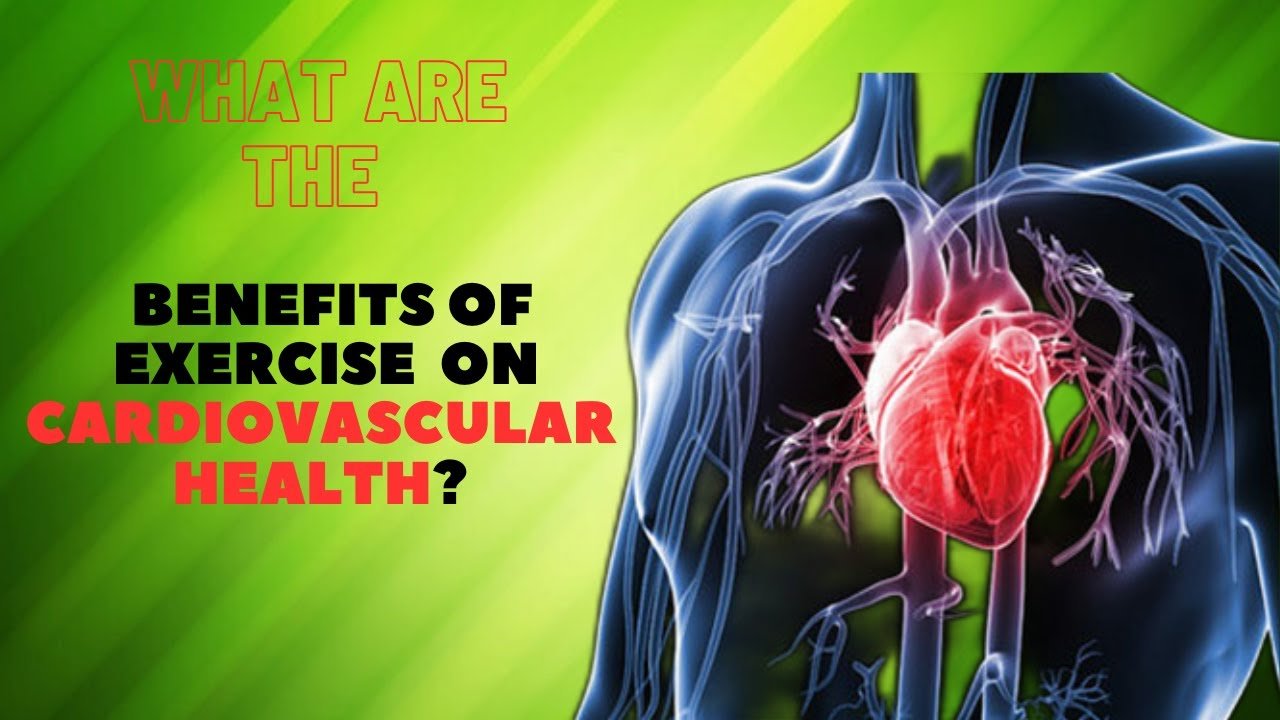
Cardiovascular training strengthens your heart, lungs, and circulatory system while burning calories and reducing stress. Activities like brisk walking, jogging, cycling, swimming, or dancing get your heart rate elevated and provide numerous health benefits.
Start with 20-30 minutes of moderate-intensity cardio three times per week if you’re new to exercise. You should be able to talk but not sing during moderate-intensity activity. As your fitness improves, gradually increase duration, frequency, or intensity.
Mix different cardio activities to prevent boredom and reduce injury risk. Monday might be a brisk walk, Wednesday could be cycling, and Friday might feature a dance class. Variety keeps exercise enjoyable and sustainable long-term.
Strength Training for Muscle and Bone Health
Resistance training builds muscle mass, increases bone density, and boosts metabolism. Contrary to popular belief, strength training won’t make you bulky unless that’s your specific goal. Instead, it creates lean, functional muscle that supports daily activities and prevents age-related muscle loss.
Include exercises targeting all major muscle groups: legs, back, chest, shoulders, arms, and core. Bodyweight exercises like push-ups, squats, and planks work effectively for beginners. As you progress, add dumbbells, resistance bands, or gym equipment.
Aim for two to three strength training sessions weekly, allowing at least 48 hours between working the same muscle groups. This recovery time lets muscles repair and grow stronger.
Flexibility and Mobility Work
Stretching and mobility exercises improve your range of motion, reduce injury risk, and alleviate muscle tension. Many people overlook this component, but flexibility training enhances overall movement quality and athletic performance.
Incorporate 10-15 minutes of stretching after workouts when muscles are warm. Focus on major muscle groups you’ve worked, holding each stretch for 20-30 seconds without bouncing. Yoga and Pilates classes offer structured flexibility training while building strength and mindfulness.
Nutrition Fundamentals for Optimal Health
Understanding Macronutrients and Their Roles
Your body requires three macronutrients in larger quantities: protein, carbohydrates, and fats. Each plays a distinct role in supporting health and fitness goals.
Protein repairs and builds muscle tissue, supports immune function, and helps you feel satisfied after meals. Include lean meats, fish, eggs, dairy, legumes, and plant-based proteins in your diet. Active individuals should consume 0.7-1 gram of protein per pound of body weight daily.
Carbohydrates provide energy for workouts and daily activities. Choose complex carbohydrates like whole grains, fruits, vegetables, and legumes over refined sugars and white flour products. These foods provide sustained energy and essential nutrients.
Healthy fats support hormone production, brain health, and nutrient absorption. Don’t fear dietary fat—it’s essential for optimal health when consumed in appropriate amounts.
Hydration: The Often Forgotten Component
Many people walk around chronically dehydrated, experiencing fatigue, headaches, and reduced performance as a result.
Your urine should be pale yellow—darker colors indicate dehydration.
Coffee and tea count toward your fluid intake, but limit sugary beverages and excessive caffeine. If plain water feels boring, add lemon, cucumber, or berries for natural flavor without added sugars.
Creating Sustainable Lifestyle Habits
Setting Realistic and Achievable Goals
Success in health and fitness comes from setting goals that challenge you without overwhelming you.
Instead of “get healthy,” try “exercise 30 minutes four times weekly for the next month.” This specific goal gives you clear direction and allows you to track progress. Start with small, manageable changes rather than trying to overhaul your entire life overnight.
Celebrate small victories along the way. Lost two pounds? Congratulations! Completed all your planned workouts this week? That’s worth acknowledging. These wins build momentum and keep you motivated during challenging times.
Building Consistency Through Routine
Consistency beats perfection every time. Rather than exercising intensely for two weeks then quitting, aim for moderate, sustainable activity you can maintain long-term. Schedule workouts like important appointments, treating them as non-negotiable time for your health.
Prepare for success by removing obstacles. Pack your gym bag the night before, meal prep healthy foods on Sundays, or choose a gym close to work or home. The easier you make healthy choices, the more likely you’ll stick with them.
Understand that some weeks will be better than others. Life happens. Missing a workout or eating pizza doesn’t derail your progress—giving up does. Get back on track with your next meal or next workout without guilt or self-criticism.
Mental Health and Its Connection to Physical Fitness
Exercise as a Mood Booster
Physical activity releases endorphins, natural chemicals that elevate mood and reduce pain perception. Regular exercise has been proven to be as effective as medication for mild to moderate depression and significantly reduces anxiety symptoms.
You don’t need intense workouts to experience mental health benefits. A 20-minute walk outside provides mood-boosting effects while offering fresh air and a change of scenery. Movement becomes medicine when practiced consistently.
Beyond endorphins, exercise provides stress relief, improved self-esteem, better sleep quality, and a sense of accomplishment. These psychological benefits often motivate people to maintain fitness routines more than physical changes alone.
Stress Management Techniques
Chronic stress undermines health and fitness efforts by elevating cortisol levels, disrupting sleep, and triggering emotional eating. Incorporate stress management practices into your routine for comprehensive wellness.
Deep breathing exercises activate your body’s relaxation response. Try box breathing: inhale for four counts, hold for four, exhale for four, hold for four, and repeat. Just five minutes can significantly reduce stress levels.
Meditation, journaling, spending time in nature, and connecting with loved ones all effectively manage stress. Find techniques that resonate with you and practice them regularly, not just during crisis moments.
Overcoming Common Obstacles
Dealing with Lack of Time
Time constraints rank as the most common barrier to health and fitness. However, you don’t need hours at the gym to see results. High-intensity interval training (HIIT) delivers excellent benefits in 15-20 minutes. Home workouts eliminate commute time.
View movement opportunities throughout your day: take stairs instead of elevators, walk during lunch breaks, do squats while brushing your teeth, or stretch while watching television. These small actions accumulate into significant health benefits.
Prioritization often matters more than time availability. We find time for what we value. If health matters to you, you’ll discover ways to fit activity into your schedule, even if that means waking 30 minutes earlier or exercising during lunch.
Staying Motivated Long-Term
Motivation fluctuates naturally—that’s normal. Build systems and habits that support you when motivation wanes. Workout buddies provide accountability, fitness classes create social commitment, and tracking progress shows how far you’ve come.
Connect with your deeper purpose for pursuing health and fitness. Maybe you want to be an active grandparent, manage a health condition, set a positive example for your children, or simply feel confident in your body. Remembering your “why” sustains you through difficult moments.
Mix enjoyment with discipline. Choose activities you genuinely enjoy rather than forcing yourself into workouts you hate. If running feels miserable, try swimming, dancing, hiking, or cycling instead. Sustainable fitness includes elements of fun.
Health and Fitness: A Comprehensive Guide to Better Living in Practice
Implementing everything discussed might feel overwhelming, so start gradually. Choose one nutritional improvement and one exercise habit to focus on this week. Perhaps you’ll add a vegetable to every meal and take a 20-minute walk four times weekly.
As these habits become automatic, layer in additional changes. Add strength training twice weekly. Drink more water. Practice stress management techniques. Small, consistent improvements compound into dramatic transformations over time.
Track your progress through photos, measurements, how clothes fit, energy levels, sleep quality, and strength improvements. Scale weight doesn’t tell the complete story—muscle weighs more than fat, so body composition changes might not reflect immediately on the scale.
Conclusion: Your Journey to Better Living Starts Now
Health and Fitness: A Comprehensive Guide to Better Living isn’t about perfection—it’s about progress. Every healthy choice you make moves you closer to the vibrant, energetic life you deserve. The strategies outlined here provide a roadmap, but your consistent action determines your results.
Start today with one small change. Take a 10-minute walk. Drink an extra glass of water. Add vegetables to your lunch. These simple actions build momentum that transforms lives. Remember, the best workout is the one you’ll actually do, and the best diet is one you can maintain.
Your body is capable of amazing things when properly nourished, moved regularly, and given adequate rest. Invest in your health now—it’s the foundation for everything else you want to accomplish. Ready to begin your transformation? Choose one action from this guide and commit to it for the next week. Your future self will thank you.
